Planning a Cross-Country Road Trip on a Budget

A cross-country road trip across the United States is a logistical exercise as much as an adventure. The distances are vast, fuel prices fluctuate by region, and lodging costs can vary dramatically between rural towns and major metropolitan areas. Approaching the planning process methodically allows travelers to understand where money is likely to go and how to structure a route that balances landmark visits with financial awareness. This article outlines a framework for thinking about fuel, lodging, meals, and route design without promising any particular outcome, since actual costs depend on season, vehicle, driving style, and many external variables.
The process begins with realistic estimation rather than optimistic guessing. Mapping distance, identifying overnight stops, and setting rough daily spending ranges create a baseline against which decisions can be made. From there, cost-saving strategies can be layered in gradually. Each choice — from the type of vehicle to the timing of travel — interacts with the others, so the goal is coherence rather than isolated savings. The guidance below is informational and intended to support personal judgment, not to replace it.
Budget planning on a long road trip is less about finding one big saving and more about consistent, informed decisions repeated across many days.
Estimating Fuel Costs Before Departure
Fuel is often the largest variable cost on a long-distance drive, and its impact depends heavily on the vehicle, terrain, and driving habits. A practical first step is to calculate the approximate total distance of the planned route and divide it by the vehicle’s realistic combined fuel economy rather than its optimistic highway rating. This produces a rough gallon estimate that can be multiplied by a range of regional fuel prices. Because prices vary between states and even between neighboring towns, building a small buffer into the estimate is generally prudent.
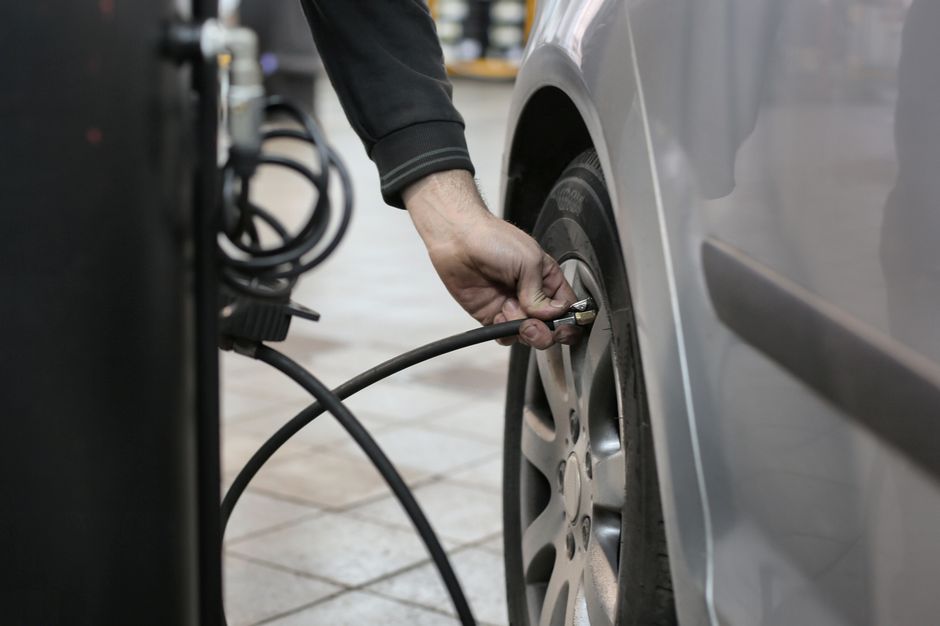
Route design directly influences fuel consumption. Interstates tend to offer steady speeds and predictable conditions, while scenic byways may involve elevation changes and slower travel that alter efficiency. Travelers who plan to visit remote landmarks should account for detours and the possibility of limited fuel station options in sparsely populated areas. Carrying a basic tire pressure gauge and checking pressure regularly is a simple habit that supports efficiency, though its effect varies by vehicle and load.
- Calculate total route distance and divide by realistic fuel economy.
- Research average fuel prices across the states on the route.
- Add a buffer for detours, idling, and elevation changes.
- Identify gaps between fuel stations in remote regions.
Driving style also matters. Smooth acceleration, steady cruising speeds, and reduced idling are commonly cited practices that can influence consumption, though results differ by vehicle and conditions. Combining errands and avoiding unnecessary backtracking keeps the overall distance aligned with the plan. None of these measures guarantees a specific savings figure, but together they support a more predictable fuel budget.
Choosing Affordable Lodging Along the Route
Lodging costs can rival fuel on a long trip, especially near popular landmarks and during peak seasons. The choice between hotels, motels, campgrounds, and vacation rentals depends on comfort preferences, group size, and tolerance for variability. Campgrounds and public lands often provide lower-cost overnight options, while motels in smaller towns frequently offer rates below those found in major cities. Booking ahead for high-demand areas and remaining flexible elsewhere is a common approach that balances certainty with cost awareness.
Geography plays a significant role. Stops just outside popular destinations may offer lower rates than those within walking distance of attractions, and the trade-off is usually a short drive. Travelers should consider the total cost of a lodging choice, including parking fees, resort charges, and taxes, rather than the headline rate alone. Reading recent reviews helps set expectations about cleanliness, safety, and noise, which are relevant to rest quality on a long journey.
Alternative arrangements such as house-sitting, staying with friends, or using established hospitality networks can reduce costs, though availability is unpredictable. For those traveling with a vehicle suited to it, sleeping in a well-equipped camper or at designated overnight areas is another option, subject to local regulations. Regardless of the approach, understanding cancellation policies and confirming amenities in advance supports smoother planning.
Managing Meal Costs Without Sacrificing Nutrition
Food spending accumulates quietly over a multi-week trip, and small daily choices compound. A practical framework separates meals into categories: groceries for breakfast and lunch, occasional restaurant meals for local experiences, and snacks kept on hand to reduce impulse purchases. Grocery stores and farmers markets along the route allow travelers to restock fresh items, and a small cooler supports this approach in warm weather.
Planning meals around the day’s driving schedule helps avoid decisions made under fatigue or hunger. Preparing simple breakfasts before departure and packing lunches for scenic stops can reduce reliance on highway restaurants, which often carry higher prices. Restaurant meals can then be reserved for destinations where local cuisine is part of the experience. Hydration and balanced nutrition also support alertness during long driving days, which is a safety consideration as much as a financial one.
- Stock a cooler with staples and perishables that suit the climate.
- Plan breakfasts and lunches around driving segments.
- Reserve restaurant spending for meaningful local meals.
- Refill water bottles and limit convenience-store purchases.
Budgeting for food is inherently flexible, and travelers may find that costs shift as they discover regional specialties. Setting a daily range rather than a fixed number allows for this variation while keeping awareness intact. The approach is about structure, not deprivation.
Mapping a Route That Covers Must-See Landmarks
Route mapping is where cost and experience intersect. The United States offers an enormous range of landmarks, from national parks to historic sites and coastal highways, and attempting to cover too many in one trip often increases fuel, lodging, and time costs. A useful method is to identify a small set of anchor destinations and connect them with logical driving corridors, then fill in smaller stops that lie along the way.
National parks and public lands are often central to cross-country itineraries. Entrance passes, reservation requirements, and seasonal closures are worth researching in advance, as these details affect both feasibility and cost. Some parks require timed entries during busy periods, and nearby lodging may be limited. Understanding these constraints early allows the route to be shaped around realistic daily driving distances rather than ambition alone.
Software tools can assist with distance calculation, overnight stop planning, and identifying fuel and grocery options, but the output should be treated as a starting point. Road conditions, construction, and weather can alter plans, so building in rest days and alternate segments supports resilience. Keeping a written or digital log of actual expenses during the trip helps travelers compare assumptions with reality and adjust as needed.
Building Flexibility Into the Budget
Even careful planning cannot fully predict costs, and a flexible budget is generally more useful than a rigid one. Setting a daily spending range with categories for fuel, lodging, food, and activities creates visibility without requiring perfect accuracy. A modest contingency reserve can absorb price changes, unexpected repairs, or a spontaneous detour to a landmark that was not in the original plan.
Tracking expenses in real time, whether through an app or a simple notebook, allows for course correction before overspending becomes a problem. If fuel costs run higher than expected in one region, adjusting lodging or meal choices in the next can restore balance. This dynamic approach reflects the reality that a cross-country trip unfolds over many decisions, and small adjustments are often more effective than a single dramatic change.
Ultimately, budget-conscious road trip planning is a process of informed trade-offs. Fuel efficiency, lodging choices, meal structure, and route design all interact, and the most sustainable plan is one that matches the traveler’s priorities. External factors such as season, fuel markets, and local conditions will always play a role, so the framework here is intended to support sound judgment rather than guarantee any particular result.