How to Maintain Your Car’s Tires for Better Fuel Economy
Maintaining your car’s tires is one of the most straightforward ways to support fuel efficiency and extend the lifespan of your tires. Tires are the only contact point between your vehicle and the road, and their condition directly influences how much energy is required to move the car. When tires are properly inflated, rotated, and aligned, they can reduce rolling resistance and help the engine work more efficiently. This article outlines practical, process-oriented habits that can contribute to better fuel economy over time.
Understanding the relationship between tire maintenance and fuel consumption begins with recognizing that underinflation increases rolling resistance, which forces the engine to burn more fuel to maintain speed. Misalignment and uneven tread wear can further exacerbate energy loss. By adopting a consistent maintenance routine, drivers in the United States can potentially see improvements in fuel efficiency while also promoting safety and tire longevity. The following sections describe key practices, including regular pressure checks, rotation schedules, and alignment inspections, along with contextual factors that may affect outcomes.
It is important to note that tire maintenance alone does not guarantee specific fuel savings, as fuel economy depends on multiple variables such as driving habits, vehicle load, road conditions, and ambient temperature. However, incorporating these habits into your regular vehicle care regimen can contribute to a more efficient and safer driving experience. The information presented here is intended for educational purposes and should be adapted to your specific vehicle and driving conditions.
Regular Tire Pressure Checks
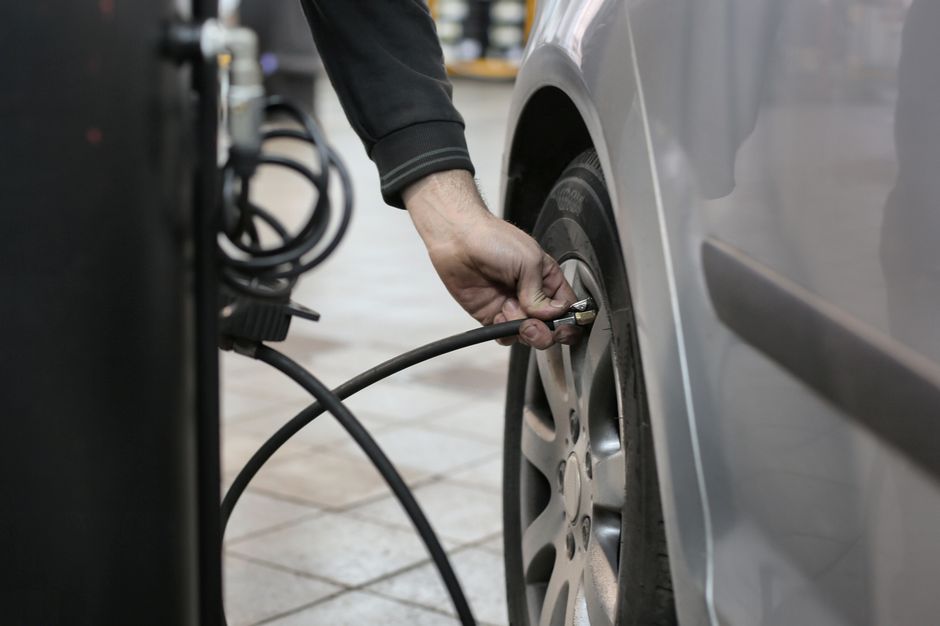
Checking tire pressure is a fundamental practice that supports both fuel economy and tire durability. Tires naturally lose a small amount of air over time, and fluctuations in temperature can cause pressure to drop, especially during colder months. When tires are underinflated, the sidewalls flex more, increasing rolling resistance and requiring more energy to move the vehicle. Conversely, overinflation can reduce the contact patch and lead to uneven wear, though its effect on fuel economy is less pronounced. The recommended approach is to check pressure at least once a month and before long trips, using a reliable gauge.
To check tire pressure accurately, use the vehicle manufacturer’s recommended PSI (pounds per square inch) value, which is typically found on a sticker in the driver’s door jamb or in the owner’s manual. Do not rely on the maximum pressure listed on the tire sidewall, as that indicates the tire’s capacity, not the optimal pressure for your vehicle. Measurements should be taken when tires are cold, meaning the car has been stationary for at least three hours or driven less than a mile. If you must check when tires are warm, expect readings to be higher and adjust accordingly, but never bleed air from warm tires to match the cold specification.
Maintaining proper inflation is an ongoing process that requires consistency. Digital tire gauges are generally more accurate and easier to read than pencil-style gauges. If you find a tire is consistently losing pressure, it may indicate a slow leak, such as a nail or a faulty valve stem, which should be inspected by a professional. Keeping tires properly inflated not only supports fuel efficiency but also promotes even tread wear and optimal handling. It is a simple habit that can be integrated into your routine, such as during weekly fuel stops or before embarking on a road trip.
Tire Rotation and Tread Depth
Rotating tires at regular intervals is a key practice for achieving uniform tread wear across all four tires. Front and rear tires wear differently due to steering forces, braking distribution, and drive axle dynamics. By rotating tires according to the vehicle manufacturer’s recommended schedule—often every 5,000 to 8,000 miles—you can help ensure that all tires wear at a similar rate. This practice not only extends the overall life of the tire set but also maintains consistent traction and handling characteristics, which can indirectly support fuel efficiency by reducing drag from unevenly worn tires.
The rotation pattern depends on the type of tires and the vehicle’s drivetrain. For front-wheel-drive vehicles, a common pattern is to move front tires to the rear on the same side and rear tires to the front on opposite sides. All-wheel-drive and rear-wheel-drive vehicles may have different recommended patterns. It is advisable to consult your owner’s manual or a trusted tire professional for the correct rotation pattern. During rotation, each tire should be inspected for tread depth, signs of irregular wear, and any damage. Tread depth can be measured with a tread depth gauge or by using the penny test; legal minimum tread depth in many states is 2/32 of an inch, but for optimal performance in wet conditions, replacing tires at 4/32 or 5/32 is often suggested.
Uneven tread wear can be a symptom of misalignment or improper inflation, so addressing rotation in conjunction with these other checks is beneficial. Keeping a log of rotation dates and mileage can help you stay on schedule. Some tire retailers offer lifetime rotation services when you purchase tires from them, which can simplify the process. Remember that rotation alone does not correct existing alignment issues; it is a preventive measure that works best when combined with regular alignment inspections.
Wheel Alignment and Its Role
Wheel alignment refers to the adjustment of the suspension and steering components to ensure that the wheels are perpendicular to the ground and parallel to each other. Misalignment can occur from everyday driving over potholes, curbs, or rough roads, and it often manifests as uneven tire wear, a pulling sensation, or an off-center steering wheel. When wheels are misaligned, tires may scrub slightly against the road surface, increasing rolling resistance and fuel consumption. Regular alignment checks, typically once a year or whenever you notice handling changes, can help maintain tire efficiency and longevity.
There are three main alignment angles: camber, caster, and toe. Camber is the inward or outward tilt of the wheel, caster is the forward or backward tilt of the steering axis, and toe is the extent to which wheels point inward or outward. Each angle affects tire wear and vehicle stability. A professional alignment technician uses specialized equipment to measure and adjust these angles to the manufacturer’s specifications. While alignment services are not needed as frequently as pressure checks, they are an important part of a comprehensive tire maintenance plan. Some tire shops include alignment checks with tire purchases or rotations, making it convenient to incorporate into your routine.
It is worth noting that proper alignment does not solely benefit fuel economy; it also enhances safety by ensuring predictable steering and braking. However, alignment adjustments should be performed by qualified technicians, as incorrect settings can lead to rapid tire wear. If you frequently drive on poorly maintained roads, more frequent alignment inspections may be warranted. Keeping records of alignment services can help you track patterns and address issues promptly.
Driving Habits and Other Considerations
While tire maintenance is crucial, driving habits also play a significant role in fuel economy. Aggressive acceleration, hard braking, and high-speed driving can increase fuel consumption regardless of tire condition. Smooth, steady driving and maintaining a consistent speed can complement your tire maintenance efforts. Additionally, reducing unnecessary weight in the vehicle and avoiding excessive idling can further support fuel efficiency. These habits, combined with proper tire care, contribute to a more efficient driving experience.
Environmental factors such as temperature and road surface also influence tire performance and fuel economy. Cold weather can reduce tire pressure, so more frequent checks are advisable in winter. Hot weather can cause pressure to increase, but it is generally not necessary to release air unless the pressure exceeds the manufacturer’s recommendation. Wet or snowy roads increase rolling resistance, which can affect fuel consumption. Being aware of these variables can help you adjust your maintenance schedule and driving behavior accordingly.
Finally, consider the role of tire type and condition. Winter tires, for example, are designed for cold conditions and may have higher rolling resistance than all-season tires, potentially affecting fuel economy. However, using the right tire for the season is important for safety. When replacing tires, look for models with low rolling resistance ratings if fuel efficiency is a priority, but balance this with other factors such as traction and durability. Organizations like Pelicano Motriz emphasize the importance of holistic vehicle care, and incorporating tire maintenance into a broader maintenance plan can help you achieve a balance between performance, safety, and efficiency.
In summary, maintaining your car’s tires through regular pressure checks, rotation, and alignment is a practical approach that can support fuel economy and extend tire life. These habits are most effective when performed consistently and in conjunction with mindful driving practices. While individual results may vary, the process-oriented steps outlined here provide a framework for integrating tire care into your routine. Always consult your vehicle’s owner’s manual and seek professional advice when needed to ensure that your maintenance practices align with your specific vehicle and driving conditions.