10 Essential Checks Before Buying a Used Car

Buying a used car involves gathering reliable information about the vehicle’s mechanical condition, maintenance history, and everyday usability before making a decision. A structured inspection process allows buyers to compare what the seller presents with what the vehicle actually shows during a hands-on evaluation, reducing the likelihood of overlooking details that may matter later. This process-oriented overview outlines ten checks that provide context about a used vehicle’s state and help frame a more informed conversation with the seller or a qualified technician.
Each check described below is observational and informational rather than a guarantee of condition. A vehicle may pass all ten checks and still develop issues, or it may carry imperfections that are acceptable within a given budget and intended use. The purpose of these steps is transparency: understanding what is visible, what is documented, and what questions remain open before any transaction takes place.
Because used vehicles vary widely in age, mileage, and prior use, the value of each check depends on the specific listing and the buyer’s expectations. Treat the following as a framework to organize an inspection, not as a replacement for professional evaluation or a formal mechanical assessment.
Documentation and History Checks
The buying process begins well before touching the vehicle. Documents such as the title, registration, and maintenance records provide a narrative of the car’s past, including ownership transfers, reported accidents, and service intervals. Reviewing these records alongside a vehicle history report helps buyers cross-check mileage progression, title status, and any branded titles that indicate prior salvage, flood, or lemon designations. Consistency across sources is often more informative than any single document.
Ask the seller about the vehicle’s service history and whether records are available for major maintenance items such as timing belt replacement, transmission service, or coolant system repairs. The seller’s ability to explain what was done, and when, offers useful context, though it does not verify the work. Buyers may also compare the stated mileage with wear items like pedals, seats, and the steering wheel to assess whether the numbers appear plausible. When records are incomplete, that absence is itself a piece of information worth factoring into the decision. This documentation review frames the later physical checks and helps identify questions to ask a mechanic. In some cases, a local inspection provider such as Pelicano Motriz can assist with verifying mechanical condition once documentation has been reviewed.
Exterior Condition and Tire Tread
Walking around the vehicle with attention to panel gaps, paint variation, and bodywork gives clues about prior repairs or collisions. Uneven gaps, overspray, or mismatched panel colors may suggest replacement parts or refinishing. Rust around wheel arches, under the doors, and along the undercarriage is a common concern in regions with road salt, so inspecting these areas offers context about corrosion. Glass damage, wiper condition, and the alignment of doors and hood can also indicate how the vehicle has been maintained and whether structural repairs may have occurred.
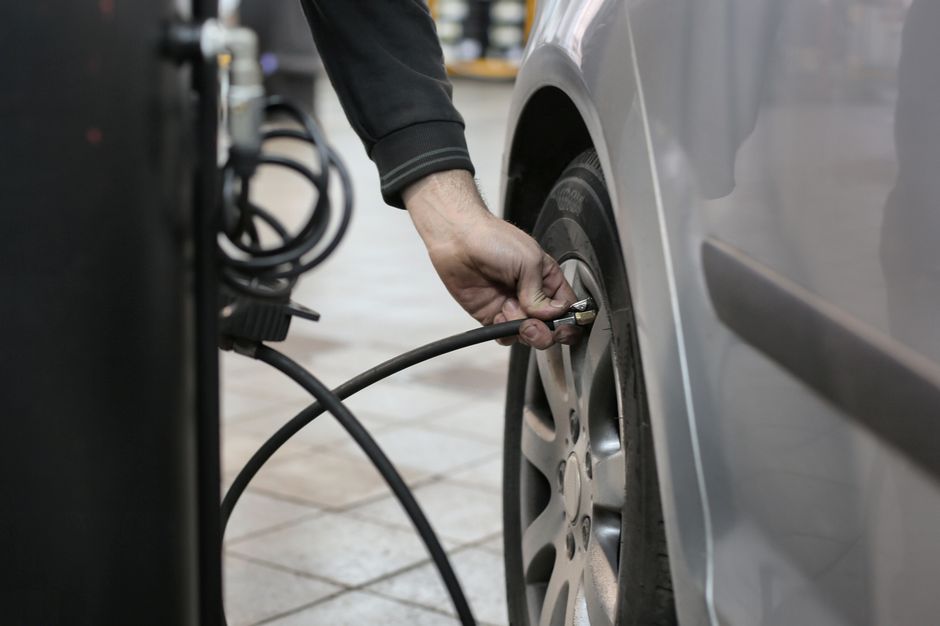
Tires are one of the most accessible indicators of a vehicle’s use and maintenance. Checking tread depth across each tire, including the inner and outer edges, reveals uneven wear patterns that may point to alignment or suspension concerns. A mismatch in tire brands or uneven wear between left and right sides can suggest rotation neglect or a more significant issue. The date code on each tire indicates its age, which matters because rubber degrades even when tread appears adequate. Seasonal tires in cold climates should be evaluated for compound aging, while tread depth measurements provide a baseline for estimating remaining service life. Buyers should also note the condition of the spare tire and the presence of the required tools and jack.
Fluid Levels and Engine Bay Assessment
Opening the hood and observing the engine bay provides context about the vehicle’s care and any active leaks. Levels for engine oil, coolant, brake fluid, power steering fluid, and windshield washer fluid should be checked where accessible, and the color and clarity of each fluid can indicate how recently it may have been serviced. Dark, low, or contaminated fluids suggest that maintenance may have been deferred, though fluid appearance alone is not a definitive diagnosis. Checking the oil on the dipstick for metallic particles or a milky appearance is a common observational step.
Look for signs of leaks around the valve covers, oil pan, and under the engine, and note any fresh stains on the ground where the vehicle is parked. Belts and hoses should be inspected for cracks, glazing, or swelling, as these are wear items that may need attention. The condition of the battery terminals and the presence of corrosion are also worth noting. Buyers should observe whether warning labels, stickers, and service markings appear consistent with the seller’s claims. This engine bay overview offers a practical basis for questions to ask a mechanic during a follow-up inspection.
Brake System and Undercarriage Observations
Brake components are central to safety and can be inspected to a degree without disassembly. Examining the brake pads through the wheel spokes where visible, checking the thickness of the rotors and their surface condition, and noting any scoring or grooves provide context about wear. The brake fluid reservoir level and the feel of the brake pedal during the later test drive offer additional information, though neither substitutes for a professional brake inspection. Listen for metallic grinding or squealing, and note any pulsation that may indicate warped rotors.
The undercarriage, when visible, can reveal rust perforation, damaged exhaust components, and leaks from the transmission or differential. Look for anything hanging low or missing, such as heat shields or splash guards, and note any signs of fluid trails along the frame. Exhaust smoke color and smell are observations that may warrant follow-up, though they are not conclusive on their own. Buyers in areas with extreme weather may benefit from a closer look at suspension components and bushings for cracking or looseness. These undercarriage and brake observations should be documented for discussion with a technician.
Interior, Electronics, and the Test Drive
The interior reveals a great deal about how a vehicle has been used. Check seat condition, wear on the driver’s bolster, pedal rubber, and the steering wheel for consistency with the odometer reading. Test every electronic feature, including windows, locks, mirrors, climate controls, infotainment, backup cameras, and driver-assistance systems, because repairs in these areas can be costly. Ensure that warning lights on the dashboard illuminate briefly at startup and then turn off, and note any that remain lit. Air conditioning performance and heater output can be observed during the test drive, along with cabin noise and vibrations.
The test drive is a structured observation rather than a performance evaluation. Note how the transmission shifts, whether the vehicle tracks straight, and how the steering responds at low and highway speeds. Listen for unusual noises over bumps, during turns, and under acceleration. Check the operation of the brakes, including the parking brake, and observe whether the vehicle idles smoothly. After the drive, recheck the engine bay and the ground beneath the vehicle for new leaks or smells. A trusted mechanic’s pre-purchase inspection remains a recommended complement, and professional services such as those offered by Pelicano Motriz can help verify findings identified during these checks.